Understanding and Supporting Children with Dyscalculia
Dyscalculia is a specific and persistent difficulty in understanding numbers, leading to a wide range of challenges with mathematics. This difficulty is often unexpected given the individual's age, level of education, and experience, and it can affect people of all ages and abilities.

What is Dyscalculia?

Dyscalculia is not just a simple struggle with maths; it lies at one end of a continuum of mathematical difficulties. Individuals with dyscalculia have severe issues with number sense, such as subitizing (recognizing quantities without counting), comparing magnitudes (both symbolic and non-symbolic), and ordering numbers. These challenges can occur alone but often co-occur with other learning difficulties, maths anxiety, and medical conditions.

The Impact of Dyscalculia

Children with dyscalculia often experience high levels of maths anxiety, especially when their struggles are not adequately supported. This anxiety can manifest in various behaviours, both active and passive. When children repeatedly feel “wrong” despite their efforts, their self-esteem can suffer. They may become withdrawn, develop low self-worth, or display frustration and emotional outbursts.

Strategies for Supporting Children with Dyscalculia

Regular Practice
Children with dyscalculia benefit from frequent practice and rehearsal. Since they often struggle with recall, providing time for regular practice helps reinforce their learning.

Multisensory Learning
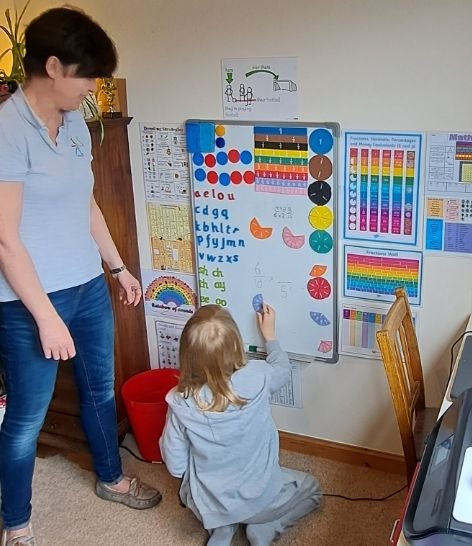
Incorporate multisensory approaches to help children understand mathematical concepts. This can include recording themselves explaining a concept, creating a PowerPoint presentation, or designing an electronic how-to manual. Younger children might benefit from using physical objects like counters to assist with ordering and calculating.

Practical Learning
Make learning as practical as possible. Give children the chance to explore maths through trial and error, encouraging them to keep trying and exploring. Offering unique and engaging ways to experience maths can make learning more effective and enjoyable.

Game-Based Learning
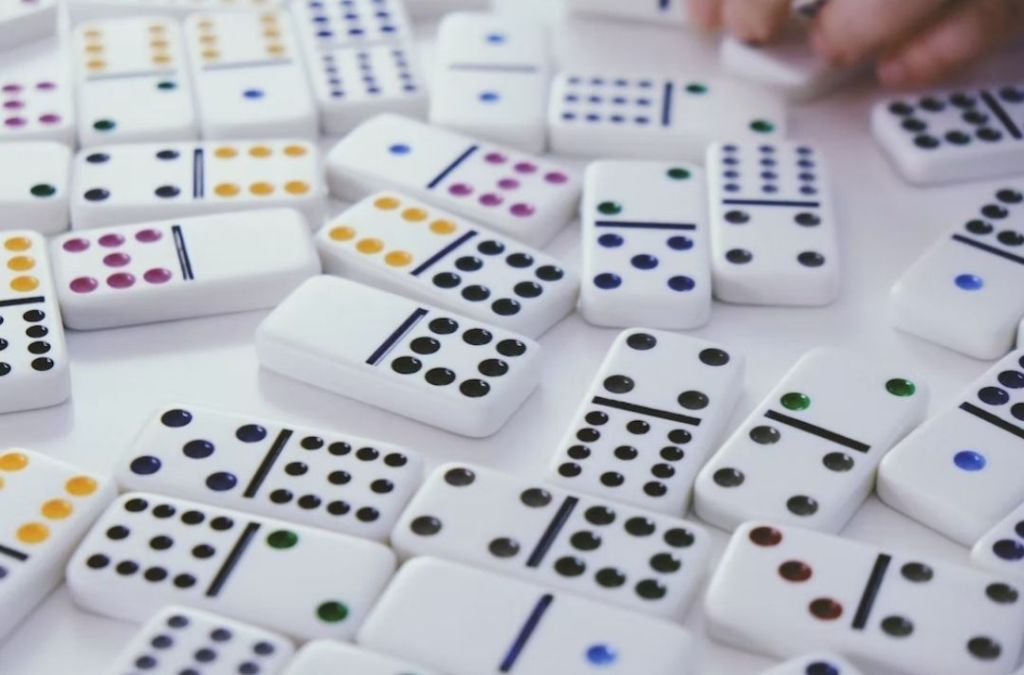
Game-based learning can be particularly beneficial for children with learning differences, including dyscalculia. It provides exciting and engaging activities that maintain their motivation to practice difficult skills.

Praise Effort
Always praise children for their effort, even if they are not always correct. Recognize and reward good effort, and acknowledge when they reach an answer using non-traditional methods or taking longer than usual. Helping children build confidence in their abilities is crucial for boosting their self-esteem, both now and in the future.

Conclusion

Supporting a child with dyscalculia involves understanding their unique challenges and providing strategies that make learning math more accessible and less stressful. By incorporating regular practice, multisensory learning, practical experiences, and positive reinforcement, we can help children with dyscalculia develop a more positive relationship with maths and improve their self-esteem.

 Educational MOT